


.png)
Livingstone & Victoria Falls, Kafue, South Luangwa & Lower Zambezi
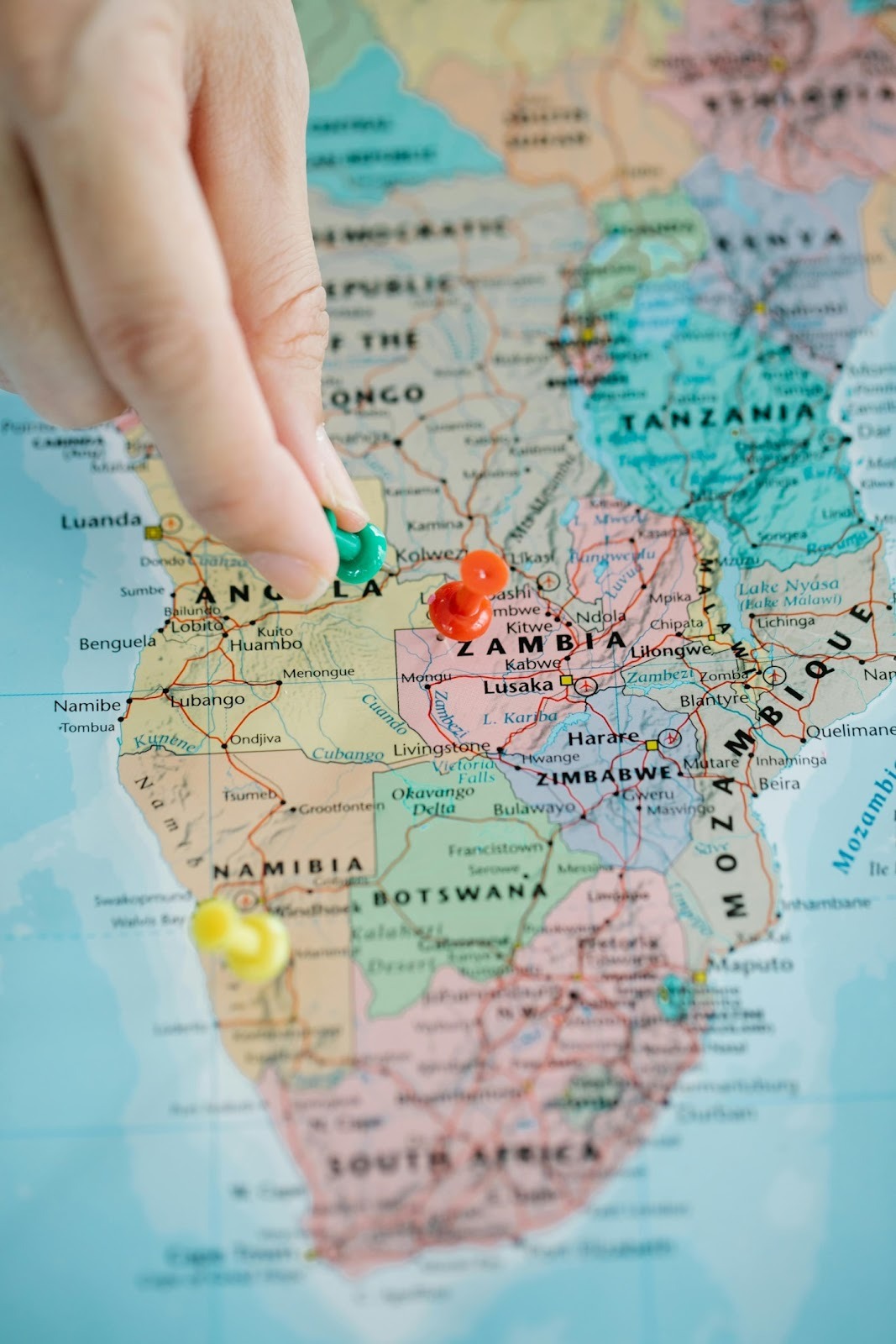
Zambia is a true haven for dragonfly enthusiasts. Zambia is a landlocked country in southern Africa, bordering eight countries, and its capital is Lusaka, which is also home to the international airport. From the mighty Zambezi River near Victoria Falls to the vast floodplains of Kafue National Park, the country’s diverse landscapes create ideal conditions for these ancient insects.
Zambia’s national parks—including South Luangwa National Park and Lower Zambezi National Park—are rich in rivers, lagoons, and wetlands, all essential habitats for dragonflies. Alongside iconic wildlife such as elephants, lions, and wild dogs, animals like dragonflies add a quieter but equally fascinating layer to wildlife in Zambia, making the country especially rewarding for nature lovers and eco-travelers. In almost all of these parks, the abundance of dragonflies and other wildlife is a testament to the region's ecological richness.
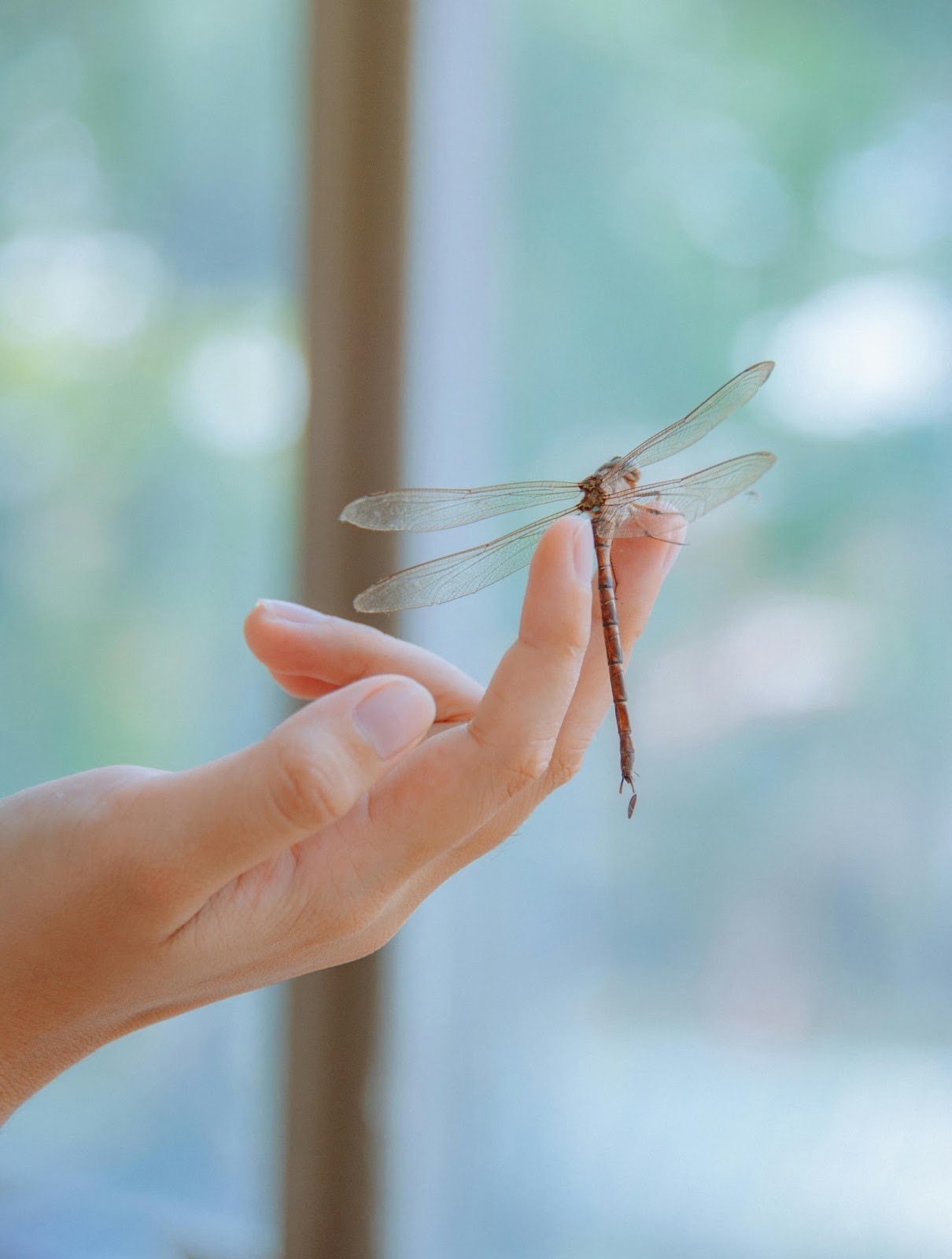
Introduction to Dragonflies in Zambia
Zambia, nestled in the heart of southern Africa, is a country celebrated for its diverse wildlife, breathtaking scenery, and world-class safari destinations. Beyond its iconic big game, Zambia is also a paradise for dragonfly enthusiasts, offering a unique window into the world of these fascinating insects. The mighty Zambezi River, with its sweeping currents and lush banks, provides a lifeline for countless dragonfly species, while the open plains of Kafue National Park and the tranquil waters of remote lagoons create a mosaic of habitats teeming with life. Whether you’re embarking on walking safaris through the bush, gliding along the river on boating safaris, or relaxing at one of Zambia’s luxury safari camps, you’ll find yourself immersed in a landscape where dragonflies dance above the water and wildlife abounds. With its blend of adventure, comfort, and natural wonder, Zambia stands out as a premier destination for anyone eager to explore the wild beauty of Africa—one dragonfly at a time.
Dragonfly Habitats in Zambia
Dragonflies thrive wherever clean, slow-moving or still freshwater meets lush vegetation. In Zambia, this includes rivers, lakes, floodplains, and wetlands such as the Zambezi River, the Kafue Flats, and the Luangwa River system. Dragonflies are important bioindicators of clean water, as their larvae (nymphs) need unpolluted water to thrive, signaling a healthy aquatic environment.
These habitats—ranging from open plains and riverine forests to reed-fringed lagoons—support a wide variety of species and highlight the strength of Zambia biodiversity. Emergent and submerged aquatic plants in the Zambezi River region offer hiding spots for dragonfly nymphs and surfaces for adults to emerge. The Zambezi River and its surrounding pools provide essential clean water for dragonfly life cycles, supporting their breeding and feeding habitat. Certain areas within these habitats are especially known for outstanding birding and water-based activities, which further enhance the experience for nature enthusiasts. Healthy dragonfly populations are often a sign that these freshwater ecosystems are functioning well.
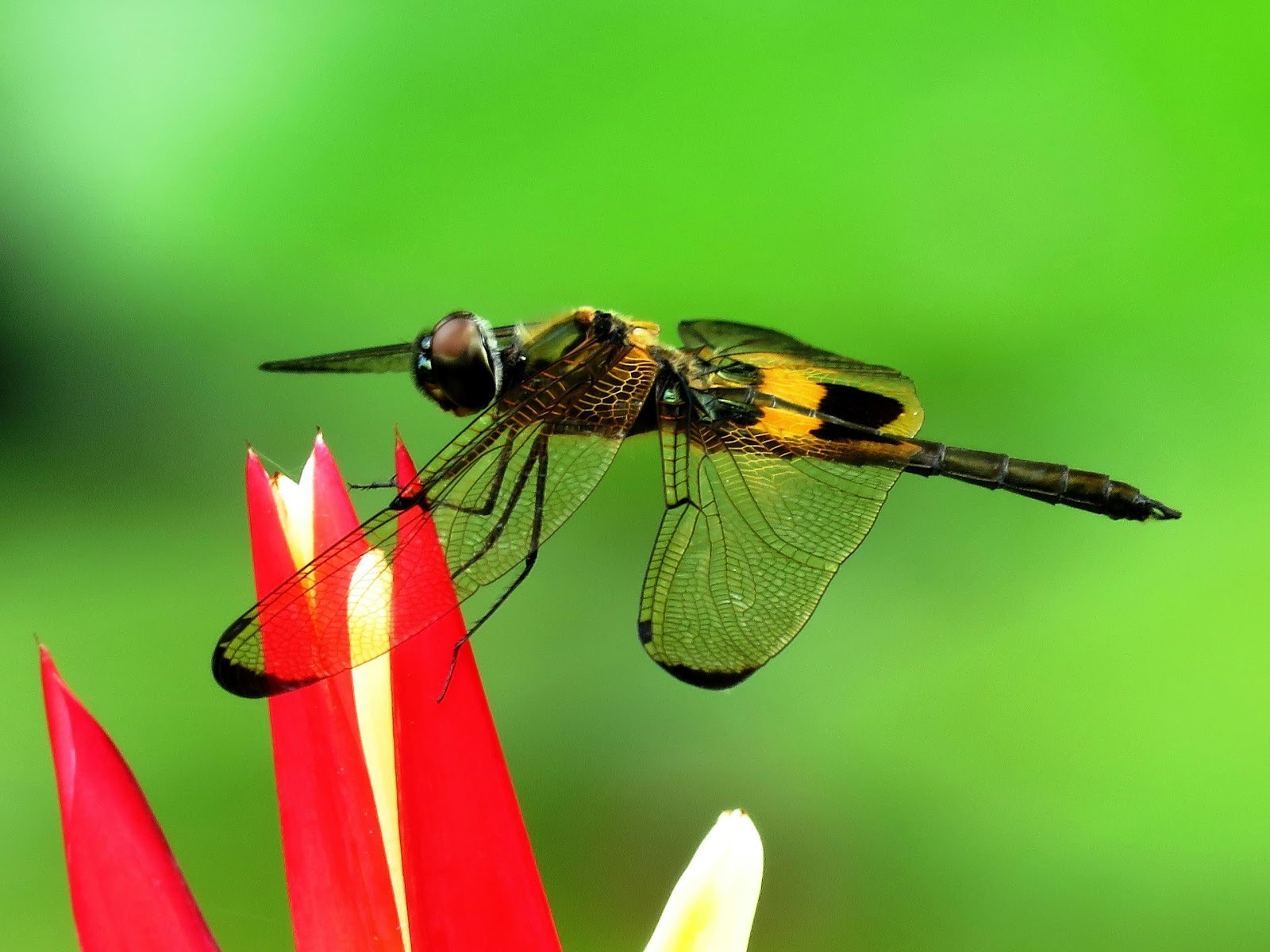
Safari Destinations for Dragonfly Spotting
Zambia’s leading safari destinations are also among the best places to observe dragonflies in their natural environment:
- South Luangwa National Park – renowned for lagoons, oxbow pools, and walking safaris that allow close observation.
- Lower Zambezi National Park – famous for river-based experiences and relaxed viewing from boats or lodge decks.
- Kafue National Park – offering floodplains and seasonal wetlands rich in insect life.
- Livingstone & Victoria Falls – where calmer stretches of the Zambezi reveal surprising dragonfly diversity.
Each destination offers a different perspective on dragonflies and the ecosystems they depend on.
Dragonfly Species in Zambia
Zambia’s rivers and wetlands are home to an impressive diversity of dragonfly species—over 100 have been recorded across the country’s national parks and waterways. The lush banks of the Luangwa River and the winding channels of the Kafue River are particularly rich in dragonfly life, with species such as the Common Green Darner, Blue Emperor, and Yellow-Veined Darter frequently spotted darting above the water. The seasonal rhythms of Zambia’s climate play a crucial role in shaping dragonfly populations: during the rainy season, the landscape transforms as rivers swell and temporary pools form, attracting a surge of dragonflies and other aquatic life. For those who appreciate bird species as well, Zambia is a true haven, boasting over 750 recorded bird species—making every outing along the river or through the park a feast for the senses. Whether you’re exploring South Luangwa, Lower Zambezi National Park, or the hidden corners of the Kafue, you’ll discover a vibrant tapestry of dragonflies and wildlife thriving in these pristine environments.
Boating Safaris on the Zambezi River
Boating safaris on the Zambezi River provide one of the most enjoyable ways to spot dragonflies. From the water, visitors can watch patrolling species skimming the surface while perchers return repeatedly to the same reed or branch. In addition to boat safaris, the Zambezi River offers a variety of water-based activities such as peaceful canoe excursions and fishing trips, allowing guests to experience the river’s wildlife and scenery from different perspectives.
The river’s sheltered backwaters and vegetated edges create ideal conditions, and sightings often include hippos, crocodiles, and abundant birdlife. During the warmer months, dragonfly activity can be especially intense along these calm stretches. Adult dragonflies eat large numbers of mosquitoes, flies, and gnats, acting as natural pest controllers and helping reduce biting insects and disease carriers.
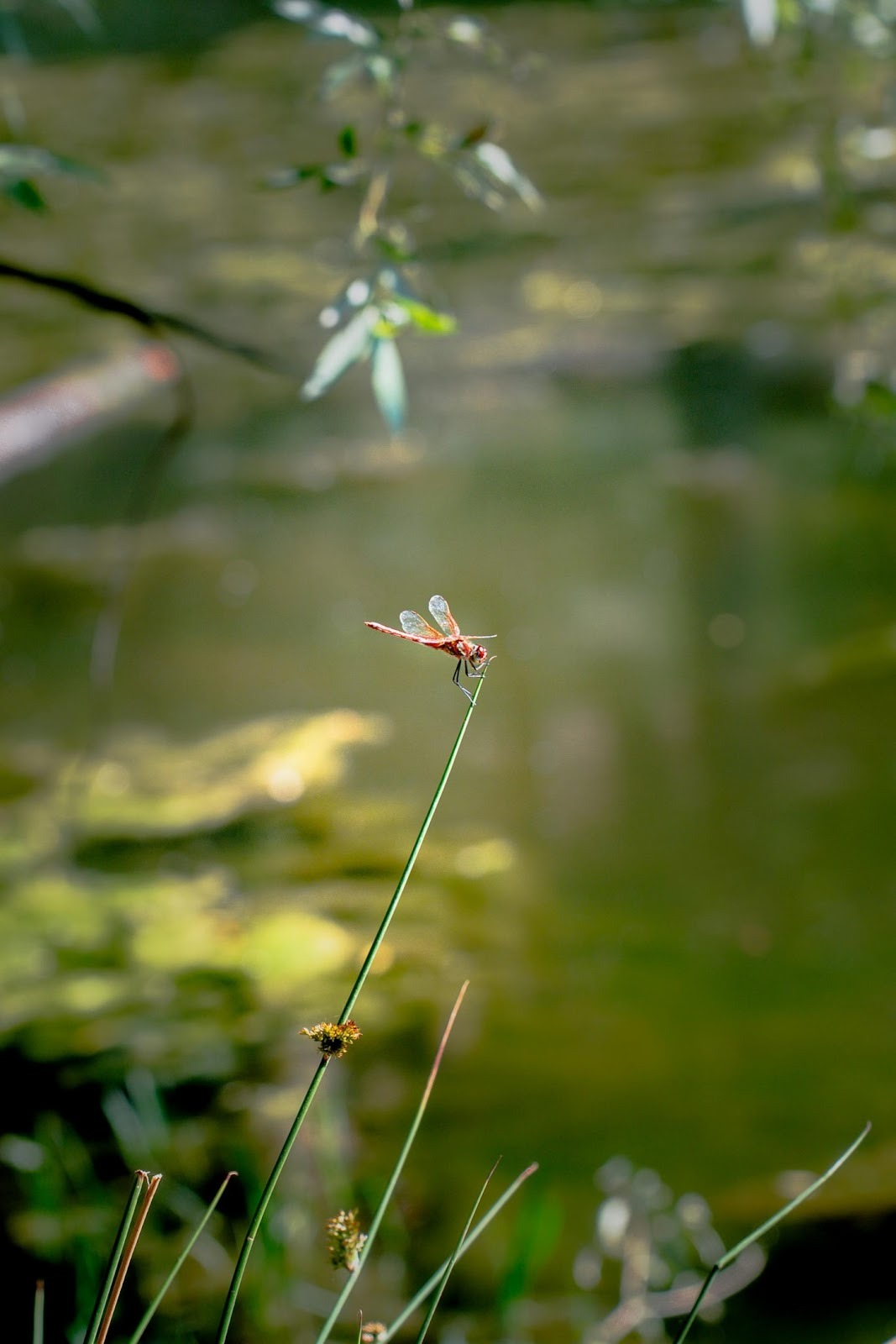
Game Drives for Dragonfly Enthusiasts
While Zambia’s game drives are renowned for encounters with lion, leopard, elephant, and buffalo, they also offer a unique opportunity for dragonfly enthusiasts to delve into the world of these remarkable insects. Many safari camps and tour operators now offer specialized game drives and walking safaris that focus on the wetlands, riverbanks, and floodplains where dragonflies are most abundant. The Kafue Flats, a sprawling wetland within Kafue National Park, is especially famous for its healthy populations of dragonflies, providing a rare chance to observe their behavior and migration patterns up close. Guided by expert trackers and naturalists, guests can learn about the intricate relationships between dragonflies, their habitats, and the broader ecosystem. These tailored experiences add a new dimension to the traditional safari, inviting visitors to appreciate the smaller wonders of the bush alongside Africa’s legendary wildlife.
Walking Safaris in Lower Zambezi National Park
Walking safaris in Lower Zambezi National Park offer an intimate way to experience dragonflies up close. Guided walks along riverbanks and floodplain edges allow guests to observe hunting behavior, flight patterns, and subtle color variations. Canoeing safaris on the Lower Zambezi also provide a peaceful way to view wildlife from the water, with a canoe offering a unique vantage point for observing dragonflies and other animals in their natural habitat.
These slow-paced walks pair beautifully with sightings of elephants and buffalo, as dragonflies are often found in the same well-watered areas, adding detail and depth to the safari experience. The Lower Zambezi National Park is renowned for its large herds and relaxed herds of elephants and buffalo that gather along the riverbanks, making it an exceptional destination for observing both abundant wildlife and tranquil natural scenes.
Luxury Safari Options
Zambia’s luxury safari lodges and camps enhance dragonfly watching with comfort and expert guidance. Many high-end properties in South Luangwa and Lower Zambezi are set directly on rivers or lagoons, placing guests in prime viewing locations. Zambia is fast becoming one of Africa's most desirable destinations for luxury travel, and luxury here is about more than just comfort—it's about location, guiding, and an intimate connection to the wild. Luxury safari camps in Zambia often provide private butlers and chefs for guests, and experiences can be tailored to individual styles and preferences.
Specialist guides often incorporate dragonflies into broader nature walks and river activities, offering insight into their behavior and role in the ecosystem—an elegant blend of comfort, learning, and nature. Each park offers unique opportunities, including classic game drives and night drives, allowing guests to experience the thrill of wildlife viewing both by day and under the stars. Both Lower Zambezi and South Luangwa offer world-class safari activities, including night game drives for unique wildlife viewing opportunities.
Safari Camps and Accommodation
For those seeking both adventure and comfort, Zambia’s luxury safari camps offer an exceptional base for dragonfly exploration. Many camps are perfectly situated along the Zambezi River or deep within the heart of South Luangwa National Park, placing guests at the center of nature’s spectacle. From elegant tented suites to opulent lodges, these accommodations blend seamlessly with the wild surroundings, offering panoramic views and direct access to prime dragonfly habitats. Guests can enjoy a range of activities, from boating safaris on the Zambezi to guided bush walks, each designed to showcase the region’s rich wildlife and vibrant dragonfly populations. Whether you prefer a tranquil retreat or an action-packed adventure, Zambia’s safari camps provide the ideal setting to connect with nature, discover new species, and experience the magic of the African wilderness in style.
National Park Conservation Efforts
Zambia’s national parks are protected landscapes where conservation is a priority. Ongoing efforts by the Zambian government and conservation partners focus on habitat protection, wildlife monitoring, and sustainable tourism.
Kafue National Park, located in western Zambia, is the oldest and largest national park in the country, covering 22,400 km². The park is accessible by a network of all-year airstrips, allowing tourists to visit in any season. Kafue is renowned for its high diversity of antelope species and is home to both cheetah and significant populations of African wild dog, which are rare and highly sought after by wildlife enthusiasts. The Kafue River flows almost north to south through the park, and the northern region, including the Busanga Plains, is especially rich in biodiversity. While Kafue National Park is accessible year-round, the best time for wildlife viewing is during the dry season from June to October.
By safeguarding rivers, wetlands, and vegetation, these initiatives help preserve dragonflies and the wider web of life they support. Tourism plays an important role by generating revenue that contributes directly to conservation and community development.
Zambia as a Haven for Nature Lovers
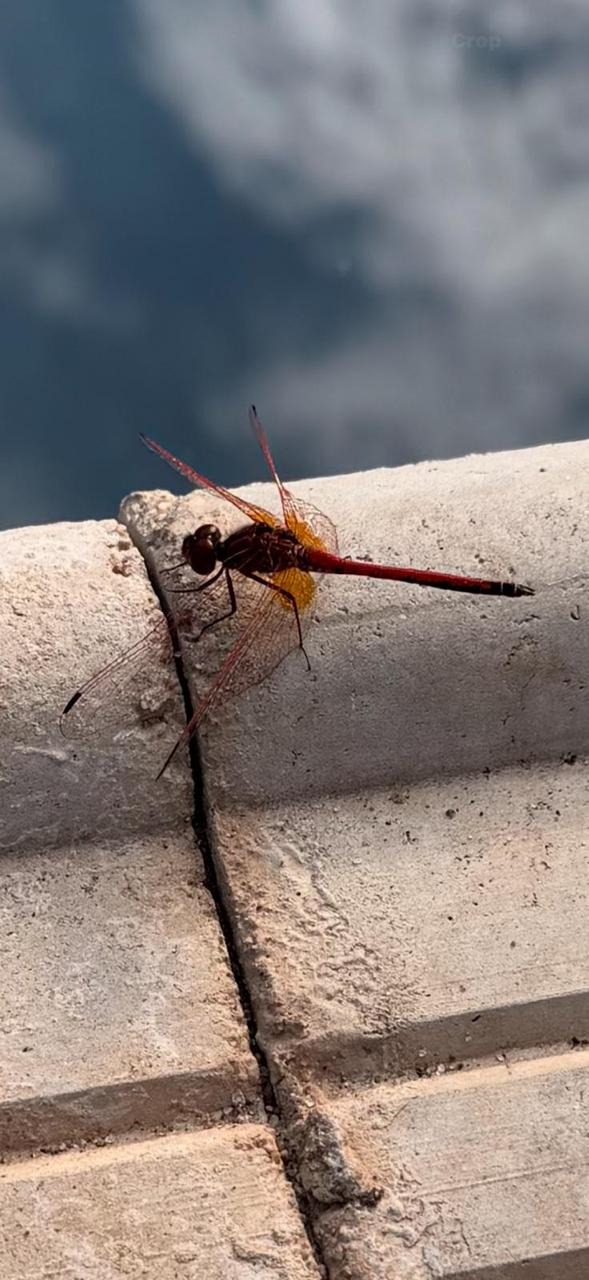
Dragonflies offer a gentle gateway into Zambia’s freshwater story. From the Zambezi near Victoria Falls to the floodplains of Kafue and the lagoons of the Luangwa Valley, these delicate insects reveal the health, balance, and quiet harmony of wild places. For eco-travelers and nature lovers, a simple moment spent watching dragonflies can become one of the most memorable experiences—peaceful, immersive, and deeply connected to the land.
If these quiet river moments inspire you, Ntanda Ventures invites you to explore Zambia through thoughtfully designed, sustainable safaris. As a proudly women-led team, we create meaningful journeys that connect wildlife, culture, and conservation—allowing you to experience both Zambia’s iconic species and its hidden natural wonders.


.jpg)


