.png)
Kafue National Park does not compete for attention. It does not offer crowded sightings or vehicles lining up at every lion encounter. Instead, it unfolds gradually — river after river, woodland after woodland, floodplain after floodplain — until you begin to understand its scale. At approximately 22,400 square kilometres, it is Zambia’s largest national park and one of the largest protected wilderness areas in Southern Africa.
This guide is designed to help you plan strategically. If you are researching kafue national park travel guide best time, deciding between wet season and dry season, or comparing it with other parks in the region, the timing of your visit will shape your entire experience. Kafue changes dramatically through the year, and understanding that rhythm is the key to planning a successful safari.

Quick Answer: When Is the Best Time?
The best time to visit Kafue National Park for classic wildlife viewing is July to October, during the dry season. Within that window, August and September are widely considered the peak months for game viewing. Wildlife concentrates around permanent rivers and waterholes, vegetation thins, and predator sightings become more predictable.
However, there are trade-offs. July mornings can be cold. October becomes intensely hot before the rains arrive. These are high-demand months, and most camps are full well in advance.
If you prefer fewer visitors, dramatic skies, migratory birds, and lower rates, the green season from December to April offers a very different — but equally compelling — safari experience. The choice depends on your priorities.
Climate Overview in Southern Africa
Kafue’s climate follows two dominant seasons.
The dry season runs from May to November. Early dry months such as May to July bring cool mornings and clear skies. By September and especially October, temperatures rise significantly. October is typically the hottest month of the year, just before the rains break.
The wet season extends from December to April. Rains usually begin in November and intensify through January and February, often among the wettest months. March and April still see showers, though rainfall gradually decreases. Humidity increases, the landscape turns lush and green, and many seasonal floodplains fill.
May acts as a transitional period, with sunshine returning and access gradually improving.
Dry Season: The Prime Wildlife Window
From June to November, Kafue enters its most accessible and wildlife-focused period. As surface water dries up across the bush, animals are drawn to reliable sources such as the Kafue River and permanent waterholes. This concentration effect dramatically improves game viewing.
In July, camps are fully operational and the bush is beginning to thin. August and September are widely considered the sweet spot: the landscape is dry enough for excellent visibility, yet temperatures remain manageable. Predator activity increases, especially in open areas like the Busanga Plains.
October is intense. The heat builds, grasses are short, and animals cluster tightly around remaining water. Wildlife sightings can be exceptional, particularly elephant, buffalo, zebra, and large predators — but visitors must be prepared for high temperatures.
For many travellers, this period represents the single best time to visit Kafue National Park.
Wet Season: Green, Quiet, and Photographic
From December to April, the park transforms. Rains return life to the woodland and floodplains. The Busanga Plains flood extensively and may become inaccessible for part of the season. Some camps close due to road conditions, and certain tracks can become impassable.
Yet the wet season should not be dismissed.
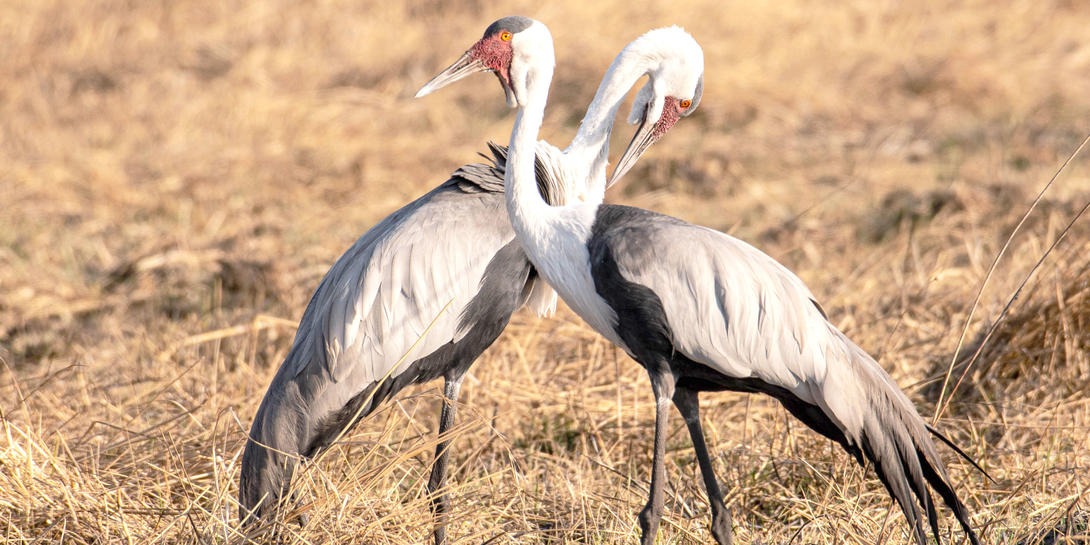
This is the time of migratory birds. Birdwatching becomes exceptional, with wetlands supporting a wide range of species. The bush is vibrant, skies are dramatic, and the light is extraordinary for photography. Visitor numbers drop, creating a quieter, more intimate experience. Low season rates also make this period financially attractive.
For repeat safari visitors, photographers, or birders, the green season can be a surprisingly good time to explore Kafue.
Month-by-Month Perspective
June marks the reopening of most camps after the rains. Some roads may still be soft, but wildlife activity begins to intensify near rivers.
July offers cold early mornings but clear skies and strong wildlife viewing. It is an excellent month for structured game drives.
August and September are peak safari months. River-edge sightings improve dramatically, predator-prey interactions increase on the plains, and walking safaris become highly rewarding in the dry bush.
October is hot and dramatic. Animals crowd waterholes, and sightings can be powerful — but midday heat is significant.
From November onward, the rains arrive. December through February is prime for birding. March and April remain green, with improving accessibility toward the end of April.
Each month offers something distinct; understanding that variation allows you to align expectations with reality.
Wildlife Viewing: What to Expect
Kafue supports remarkable biodiversity. During the dry season, visitors commonly encounter elephant, buffalo, zebra, wildebeest, and large antelope species. Predator sightings include lion, leopard, cheetah, and wild dog, particularly in open sectors such as Busanga.
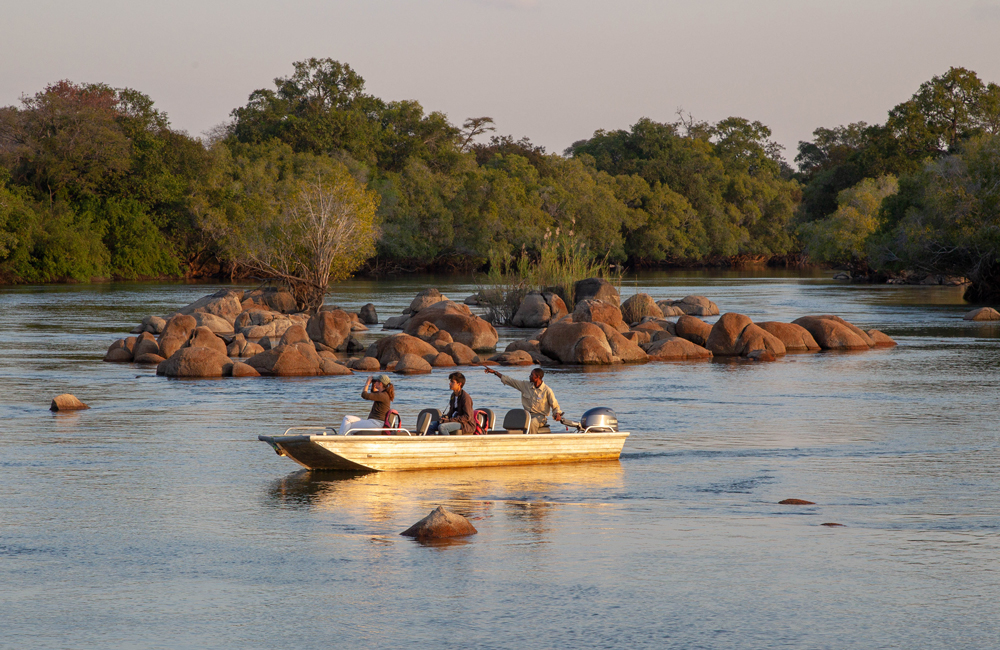
Boat-based wildlife viewing along river systems offers a different perspective. Hippos gather in large pods, crocodiles bask along banks, and elephants frequently cross channels at sunset.
During the wet season, birdlife becomes a primary attraction. Migratory species arrive, wetlands fill, and photographic opportunities expand. The park feels alive with movement and colour.
Because of its size, Kafue rewards patience. Wildlife is abundant, but it unfolds naturally rather than in concentrated “hotspots.”
Access and Logistics
Visitors typically reach Kafue via charter flight from Lusaka or by road transfer. Due to the park’s vast scale, internal travel times can be significant. Several airstrips serve different sectors of the park.
A 4x4 vehicle is essential for self-drive visitors. During the wet season, road conditions may deteriorate quickly, and certain areas can close temporarily. Confirming access with camps before travel is critical.
Planning matters more in Kafue than in smaller parks. The wilderness here is genuine and expansive.
Comparing Kafue With South Luangwa National Park
Kafue and South Luangwa are often compared, but they offer distinct experiences.
South Luangwa is known for concentrated wildlife along the Luangwa River and relatively predictable sightings during the dry season. Kafue, by contrast, is more expansive and less crowded. Wildlife is abundant but spread across larger ecosystems.
Both parks are best visited between June and October. Many experienced travellers combine them, spending four to five nights in Kafue followed by three to four nights in South Luangwa. The combination creates a diverse and comprehensive Zambia safari circuit.
Camps and Seasonal Openings
Most camps operate during the dry season, particularly from July to October. Some close between January and March due to rains and access challenges. Busanga Plains camps are typically seasonal, operating mainly during peak dry months.
Because availability is limited and distances are large, booking early for July, August, and September is essential.
Certain river-based camps remain open longer into the green season, offering excellent birdwatching and reduced rates.

Activities by Season
During the dry season, classic activities include game drives, walking safaris, and night drives. Night drives are particularly productive for predator viewing. Boat safaris are also excellent when water levels allow.
In the wet season, birding excursions and photographic drives dominate. The green landscape and dramatic skies create unique visual opportunities rarely experienced during peak safari months.
Matching activities to seasonal conditions ensures a stronger safari outcome.
What to Pack
Visitors travelling in June and July should pack warm layers for early mornings. By contrast, October requires serious sun protection and lightweight clothing suitable for heat.
Neutral-coloured safari attire is recommended year-round. Closed footwear is advisable for walking. Malaria prophylaxis should be discussed with a medical professional prior to travel. A lightweight rain jacket is useful from November to April.
Preparation enhances comfort and safety.
Sample Itineraries Recommendation
A three-night July safari might focus on river-based wildlife drives, one guided walk, and a night drive for predator viewing.
A seven-night August itinerary could combine central Kafue river systems with the Busanga Plains, maximising predator sightings, boat excursions, and varied habitats.
A December green-season itinerary would prioritise birding, photography, and river exploration from a camp that remains open year-round.
Longer trips can combine Kafue with South Luangwa for a well-balanced exploration of Zambia’s most compelling parks.
Contact us now for Eco-Friendly Packages.
Responsible Travel and Conservation
Kafue’s story stretches back to early reserve protection in the 1920s and its proclamation as a national park in 1950. Its modern conservation chapter includes large-scale management partnerships aimed at strengthening law enforcement, ecological monitoring, and community engagement.
Visitors contribute directly to conservation funding through park fees and camp stays. Choosing responsible operators like us, respecting wildlife distances, and supporting community-linked initiatives all help sustain the ecosystem.
Kafue is not a manufactured safari destination. It remains a living wilderness.
Final Perspective
Kafue National Park is for travellers who value space, authenticity, and immersion. It is for those who understand that great wildlife experiences are not always immediate — they unfold.
For peak wildlife viewing, travel between July and October.
For green landscapes and migratory birds, consider December through April.
Allow enough time. Combine intelligently. Plan carefully.
If you want a safari that feels expansive rather than crowded, wild rather than curated, Kafue stands among the most rewarding wilderness destinations in Southern Africa.